
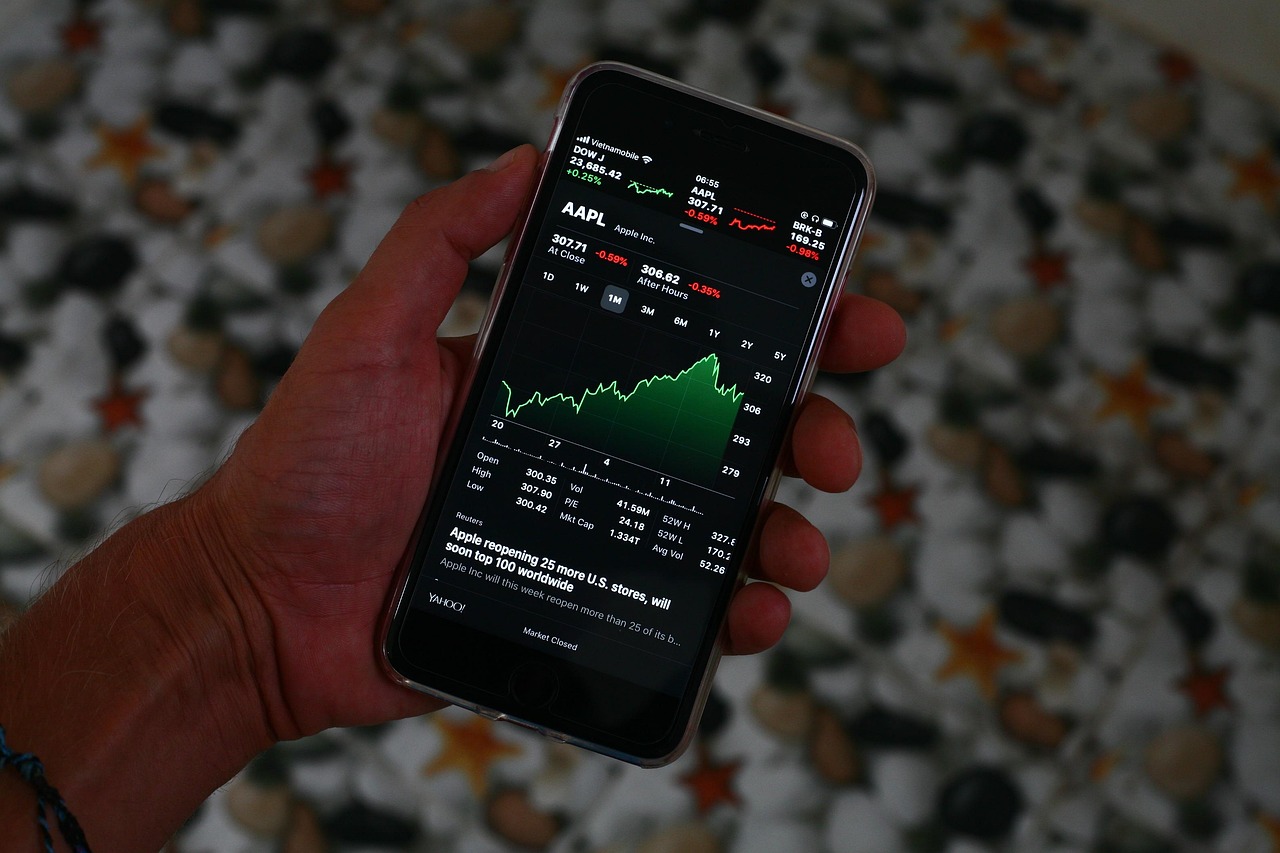
1. User-Friendly Interface
A seamless and intuitive interface is paramount in the best finance apps for 2026, as it ensures users of all tech levels can navigate complex financial tools without frustration. Top apps like Mint or YNAB prioritize clean dashboards with customizable layouts, allowing users to personalize views for budgets, transactions, or investments. According to a 2026 Forrester report, 78% of users abandon apps due to poor usability, highlighting why responsive design—such as touch-friendly buttons and voice command integration—is essential. This feature reduces errors in financial tracking, enabling quicker decision-making, like spotting overspending trends in real time. For instance, apps with gesture-based navigation, like swiping to categorize expenses, enhance engagement and make daily money management feel effortless.
2. Robust Budgeting and Expense Tracking
In 2026, effective budgeting tools are a cornerstone of top finance apps, offering automated expense categorization and predictive analytics powered by AI. Apps such as PocketGuard excel by linking bank accounts to track spending patterns, providing detailed reports on categories like groceries or entertainment. A study by the Consumer Financial Protection Bureau notes that 65% of Americans struggle with budgeting, making features like customizable budget limits and visual graphs crucial for financial literacy. These tools often include split-wise functionality for shared expenses and integration with receipt scanners, helping users reclaim up to 20% more in tax deductions by accurately logging business-related costs. This level of detail empowers users to set realistic limits and adjust habits proactively.
3. Seamless Bank Account Integration
The ability to connect multiple bank accounts, credit cards, and investment platforms is a must-have feature in 2026’s leading finance apps, facilitating a holistic view of one’s finances. Apps like Plaid-powered services enable secure API connections to over 11,000 institutions, aggregating data for real-time balance updates and transaction history. This integration, as per a 2026 PwC survey, saves users an average of 5 hours per month on manual reconciliation. Advanced apps also support international banking links, ideal for freelancers or expats, and offer data synchronization across devices. By centralizing financial data, users can detect discrepancies early, such as unauthorized charges, enhancing overall security and peace of mind.
4. Investment and Portfolio Management
With the rise of retail investing, 2026’s best finance apps include sophisticated tools for tracking stocks, cryptocurrencies, and ETFs. Platforms like Robinhood or Acorns provide real-time market data, portfolio diversification suggestions, and automated rebalancing based on user risk profiles. A Morningstar study reveals that 54% of investors use apps for decision-making, underscoring the need for features like performance analytics and tax-loss harvesting calculators. These tools often incorporate AI-driven insights, such as predicting stock trends from historical data, helping users maximize returns while minimizing risks. For example, apps with simulated trading environments allow beginners to practice without real losses, fostering confident investment strategies.
5. Advanced Security and Encryption
Security remains a top priority in finance apps for 2026, with features like biometric authentication, two-factor verification, and end-to-end encryption becoming standard. Apps such as Venmo employ bank-level security protocols, including fraud detection algorithms that monitor for unusual activity, as highlighted in a 2026 Kaspersky report where 40% of users faced cyber threats. Dark web monitoring for exposed personal data is another key addition, alerting users to potential breaches. By implementing these measures, apps not only comply with regulations like GDPR but also build trust, encouraging more users to handle sensitive transactions. This feature is vital for protecting against phishing and ensuring data privacy in an increasingly digital financial landscape.
6. Real-Time Notifications and Alerts
Instant alerts for transactions, low balances, or market changes are indispensable in 2026’s finance apps, keeping users informed without constant app checks. Leading apps like Chase Mobile offer customizable notifications via push, email, or SMS, which, according to a 2026 Deloitte study, help 72% of users avoid overdraft fees by providing timely warnings. Features such as geofencing alerts—notify when nearing an ATM—add practicality for travelers. This real-time capability extends to investment alerts, like price drops on tracked stocks, enabling swift responses to financial opportunities or threats. Overall, it promotes proactive financial management and reduces stress associated with unexpected expenses.
7. Goal Setting and Progress Tracking
Effective goal-oriented features allow users to set and monitor financial objectives, such as saving for a home or paying off debt, making them a highlight in 2026’s top apps. Tools in apps like Goodbudget include progress bars, milestone rewards, and automated savings transfers, drawing from behavioral economics to encourage consistency. A 2026 Gallup poll indicates that 60% of people achieve goals faster with digital trackers, as these features provide visual feedback and adjustable timelines. Integration with AI helps forecast if goals are realistic based on spending habits, offering tips like cutting subscriptions to accelerate progress. This personalized approach transforms abstract financial aspirations into achievable steps.
8. Bill Payment and Reminders
Streamlined bill management, including automated payments and reminders, is a key feature in the best finance apps of 2023, combating late fees and improving cash flow. Apps like Prism connect to utility providers for one-tap payments and send proactive reminders based on due dates, as supported by a 2023 Federal Reserve study showing that 28% of Americans miss payments annually. Advanced versions include bill-splitting for group expenses and integration with digital wallets for contactless payments. This not only saves time but also helps build credit scores by ensuring on-time payments, making it an essential tool for busy professionals managing multiple financial obligations.
9. Credit Score Monitoring and Improvement Tools
In 2023, finance apps with built-in credit monitoring provide users with free access to scores, reports, and improvement strategies, fostering financial health. Apps such as Credit Karma offer weekly updates, factor breakdowns, and personalized advice, like disputing errors, based on data from Experian and TransUnion. A 2023 TransUnion report notes that 45% of users see score improvements within six months using such tools. Features like credit simulators allow users to test scenarios, such as taking a loan, without risk. This transparency empowers informed decisions, like negotiating better interest rates, and is particularly valuable amid rising inflation and debt levels.
10. Educational Resources and Support
Finally, the inclusion of educational content and robust customer support sets apart the best finance apps in 2023, turning them into comprehensive financial advisors. Apps like Betterment provide articles, webinars, and chatbots explaining concepts like compound interest or retirement planning, with resources tailored to user levels. A 2026 Edelman Financial Engines survey found that 82% of users value learning tools for long-term success. Features such as in-app tutorials and community forums enhance usability, while 24/7 support via AI or human agents resolves issues quickly. This holistic approach not only builds user confidence but also adapts to evolving financial trends, like sustainable investing, ensuring lifelong financial empowerment.
[mtsolurion]